For Dr. Amber Williams, Education Is Personal. So Is Being Heard.
The former teacher and mother of two talks about the opportunity that changed her life, the questions she asks as a parent, and her decision to seek the Ward 6 seat on the D.C. State Board of Education.
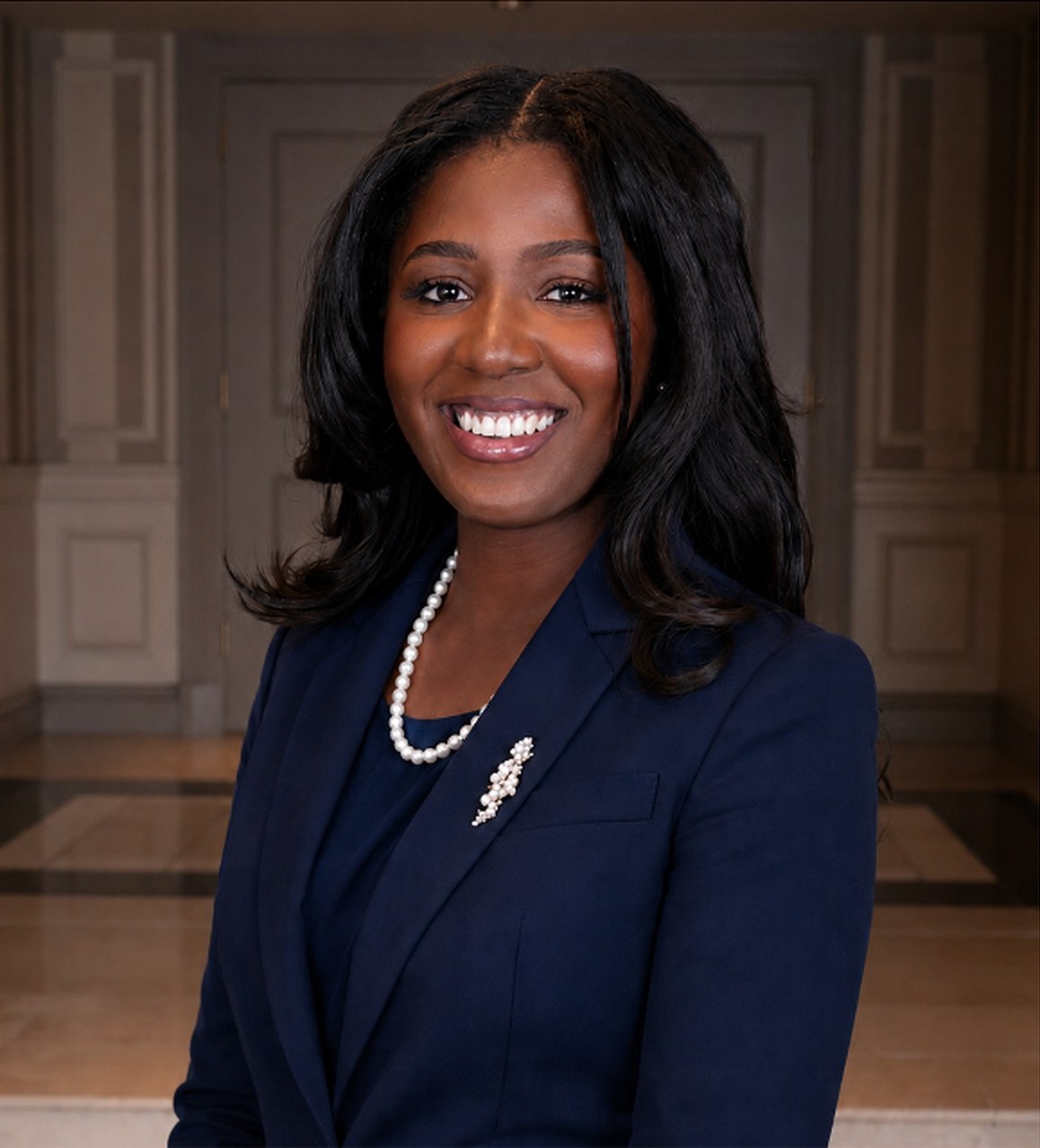
Before education became Dr. Amber Williams’ profession, it was her way of imagining a different future.
Raised in Mississippi and educated in one of its most economically disadvantaged school districts, Williams came to see learning as a door that could open beyond the circumstances she grew up in. Walking through it shaped what she wanted to do with her own life.
“I’ve made it my life’s mission to make that same opportunity available for other people,” she told HerNewswire.
Today, that work is personal in another way. Williams is raising two boys who attend D.C. public schools. She has experienced education from the classroom, through policy and research, and as a mother asking what a decision will mean for her children.
In her conversation with HerNewswire, those experiences kept coming back to a question: What does it take for families to have a meaningful place in the decisions that shape their children’s lives? It is a question she is carrying into her run for the Ward 6 seat on the D.C. State Board of Education.
When the Policy Comes Home
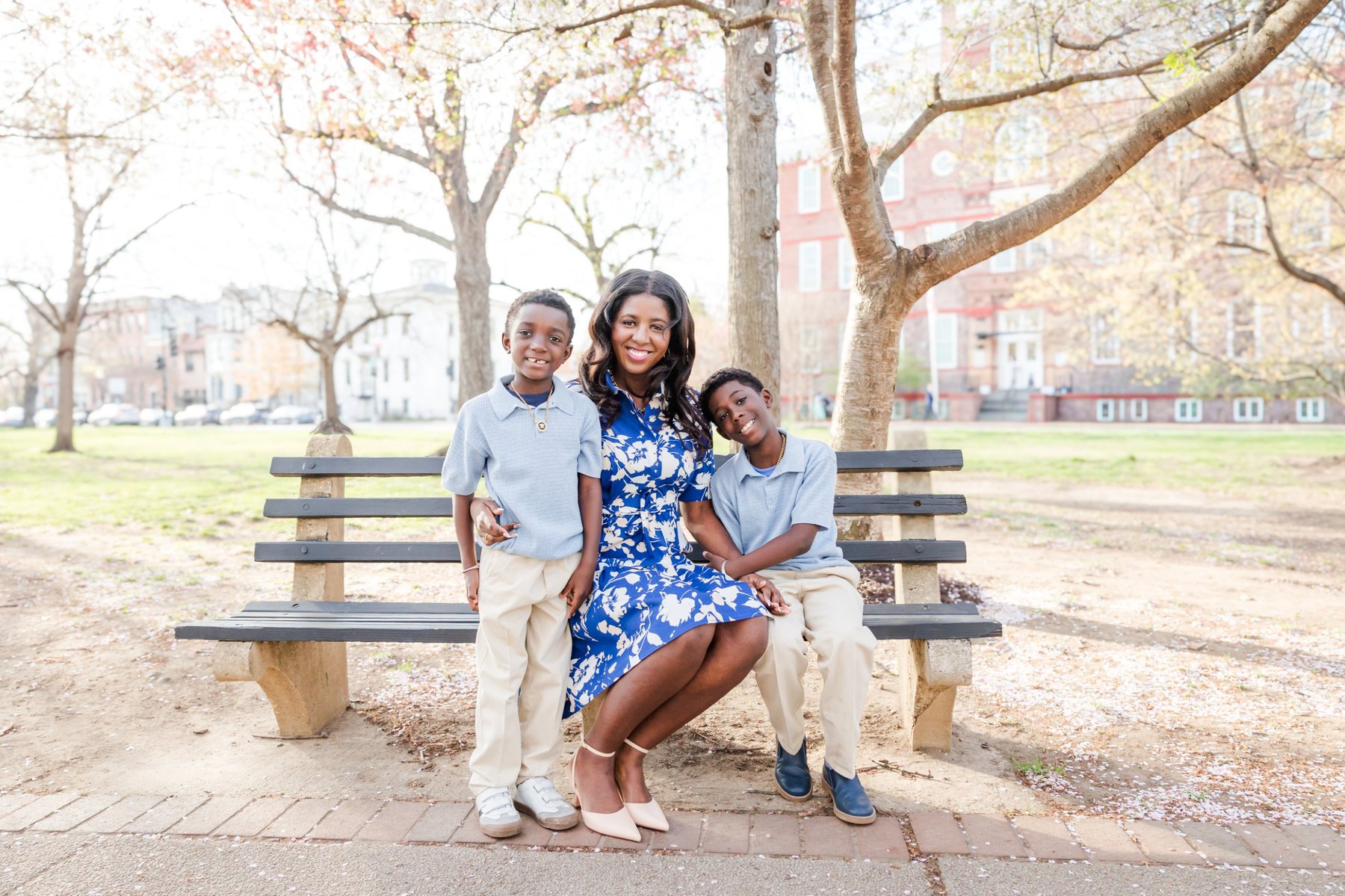
Williams was already the kind of parent who showed up: as a PTO president, on a Local School Advisory Team, and before the D.C. Council. That made one recent school notice particularly unsettling. She says she learned about a technology restriction affecting her son’s school through a document sent to families.
For Williams, the notice exposed a gap between being an involved parent and having a voice before a decision is made.
“It made me realize how we have to ensure that there is a system that is in place that allows parents to be genuinely involved with policy.”
Motherhood has deepened Williams’ commitment to public education while making her more willing to question how it works. She describes herself as a “critical thought partner,” someone invested in helping schools succeed while recognizing where change is needed.
“It has not made my belief in education and public education waver at all,” she said. Instead, she says, her family’s experiences have reinforced the importance of schools responding as students’ needs and circumstances evolve.
What Makes Families Feel Heard
Being invited to a meeting is one thing. Feeling able to speak, ask questions, and understand what happens next is another. In her work with families, Williams says trust grows when people know what is being decided and why.
Equally important is making sure engagement invites participation rather than discouraging it. “I’ve learned that if involvement comes off as something that is punitive, parents turn away,” she said.
Williams believes families must be treated as partners, with consistent communication and genuine opportunities to contribute.
“Engagement must be consistent. It must include all stakeholders. It can’t be one-sided.”
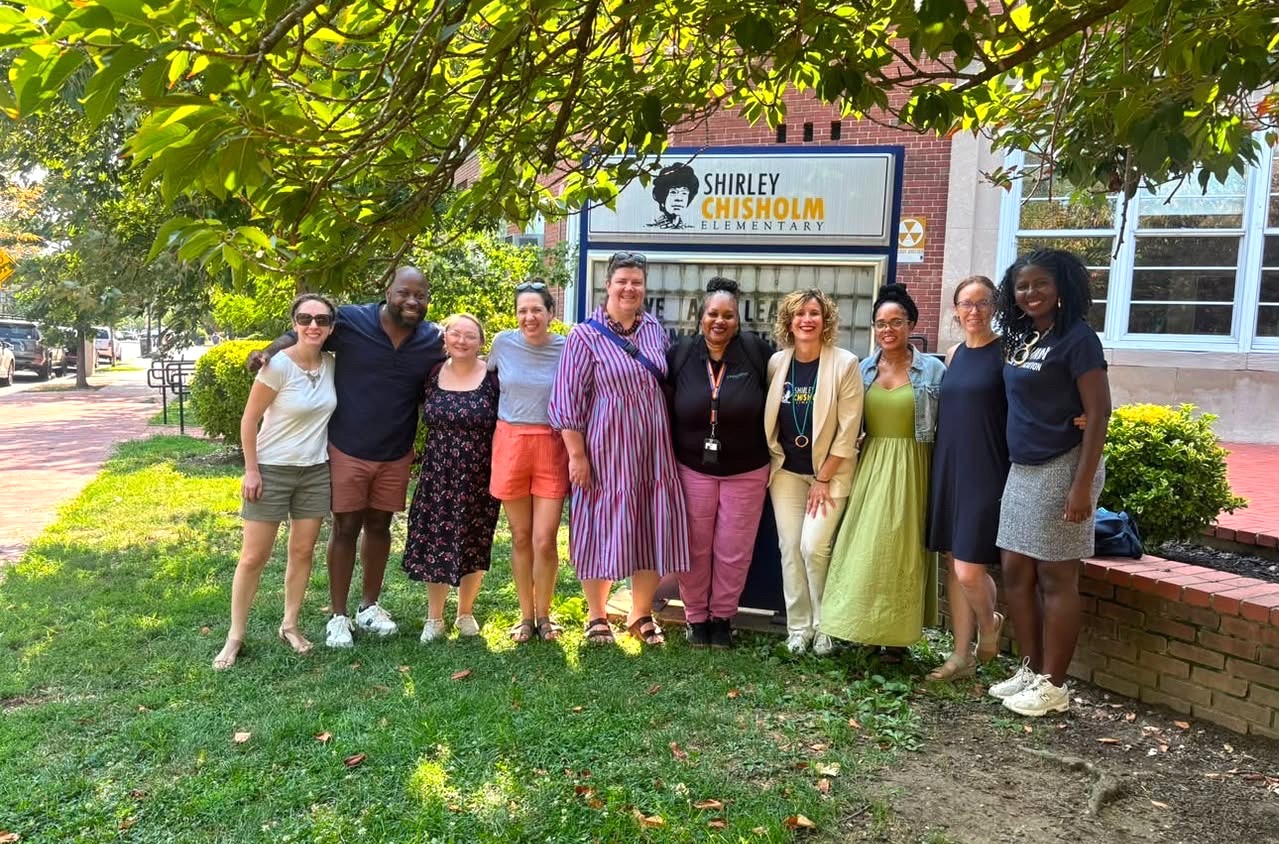
Inviting families into a conversation is only the beginning. Giving them the information and support to participate meaningfully is what makes engagement count.
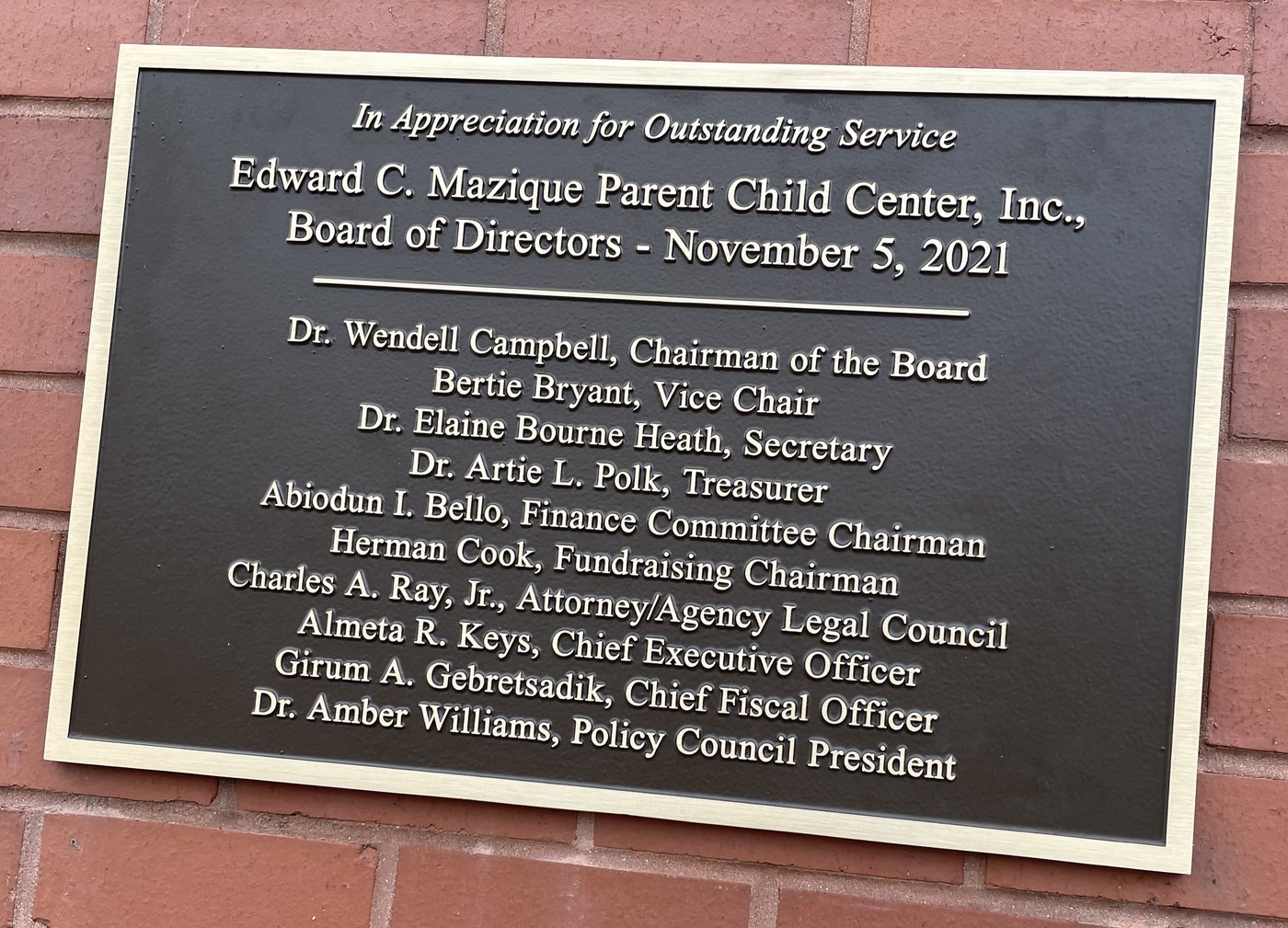
Her own work with families goes back years. As Policy Council president at the Edward C. Mazique Parent Child Center, a Head Start center in D.C., Williams helped champion the building’s renovation, including state-of-the-art security features.
After a Concern Is Raised, What Happens Next?
Williams hears a familiar frustration from school communities: a concern has been raised, sometimes more than once, but families still cannot see what happened to it.
She knows a problem may take time to solve. Her interest is in making the work between the first conversation and a possible resolution visible. As a State Board member, she says she would seek to establish a transparent way to track concerns: when an issue was raised, what steps followed, and whether the response addressed the problem.
She also wants to revisit earlier solutions. When similar concerns resurface across families and schools, understanding what has already been attempted can help move conversations forward.
“I think our conversations will be a lot more productive,” she said, “because we’ll be starting at the solution and revisiting solutions instead of regurgitating issues.”
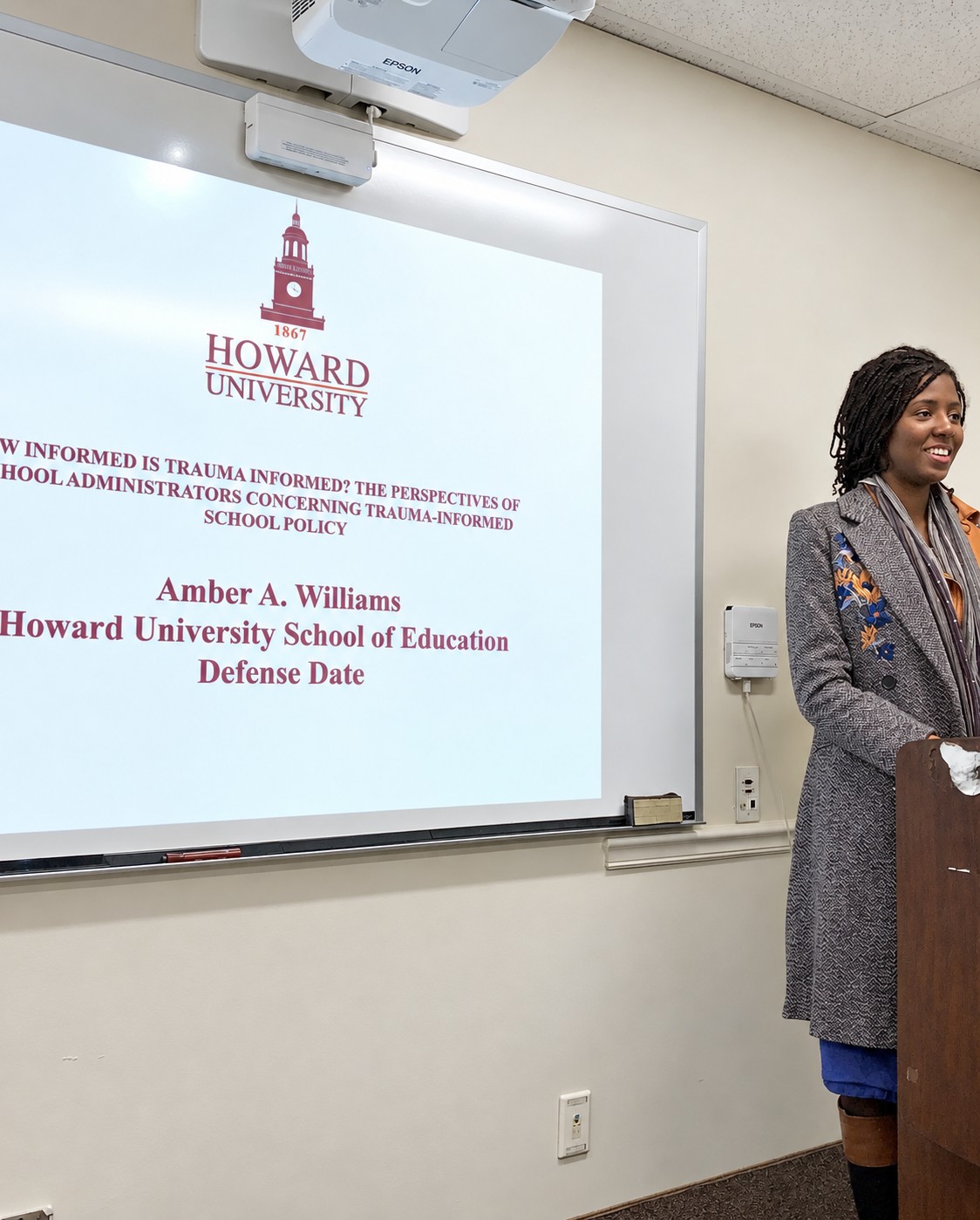
That focus on practical next steps carries into her work with students. In October 2025, she led a “College vs. Career” breakout session at Ready, Set, Future, a college and career fair hosted by D.C.’s Office of the State Superintendent of Education (OSSE) for students with disabilities preparing for life after high school.
Different Students, Different Needs
When the conversation turns to student needs, Williams makes room for more than one experience of school. A child who is struggling and a child ready for a greater challenge may need very different things.
That means prioritizing students with the greatest needs while ensuring resources, staffing, and attention support their progress. It also means giving high-achieving students opportunities to stretch their abilities and reach their full potential.
“Equity means giving students exactly what they need.”
What She Hopes Her Sons Will Remember
Asked what she wants her sons to take from watching her step forward, Williams looks beyond the result on election night.
“No matter the outcome of this election, I hope that parents, families, and students see the urgency of now,” she said.
She believes that responsibility extends to people with and without children in public schools. Supporting the next generation, she says, requires participation beyond any single elected position. “It does not matter who is in a position. We all have a responsibility in this matter.”
The campaign has also brought her into conversations with people whose ideas differ from her own. Williams says she sees common hopes in those exchanges, even when the proposed paths are different.
“If we take the best from all of our ideas, that’s what will create true change, because it’s never about one person,” Williams said. “It’s about listening to the collective and making sure that we’re moving in a direction that supports all of us.”